17 members in gang ring abducting Chinese actor Wang Xing to Myawaddy indicted for cross-border human trafficking_我的网站
一 |
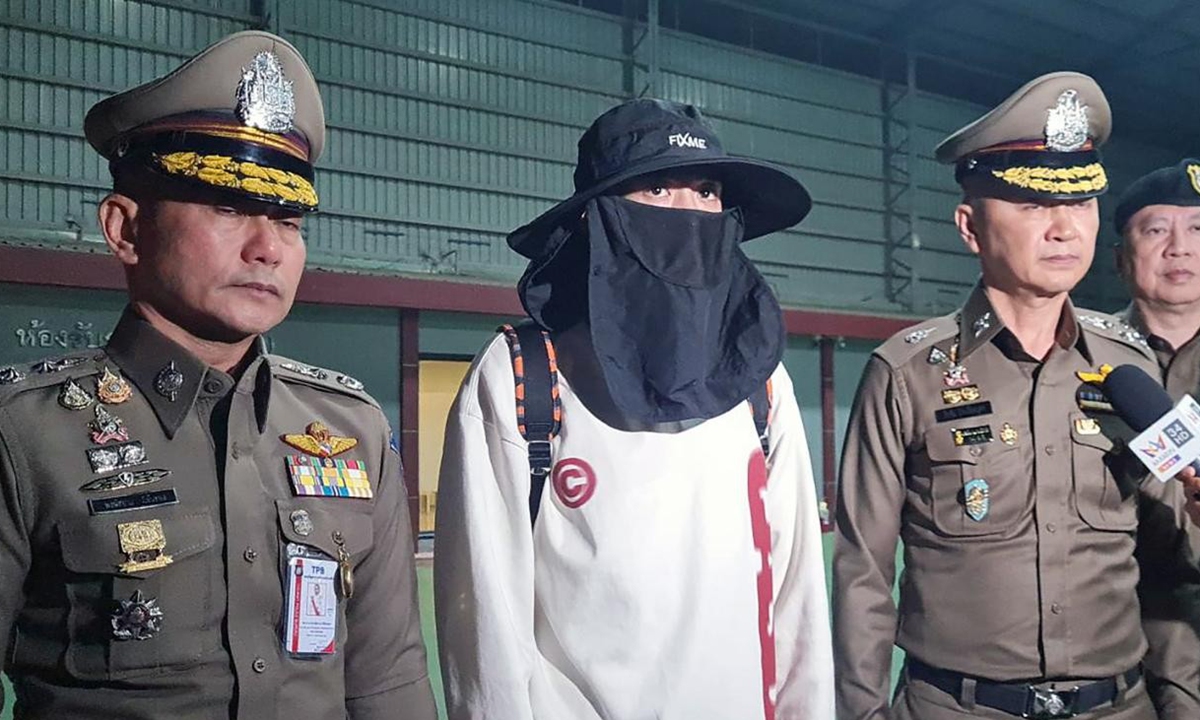
Chinese actor Wang Xing (center) is escorted by Thai police officers after returning from Myanmar, at the police airport in Bangkok, Thailand on January 7, 2025. Seventeen members of a cross-border human trafficking ring involved in abducting Chinese actor Wang Xing to Myawaddy have been indicted on charges including abducting and trafficking people, illegal detention, robbery and kidnapping, and forcing people to engage in telecom fraud, according to CCTV News on Wednesday. The indictment was filed by the Second Branch of the People's Procuratorate of Shanghai Municipality after a review in accordance with China's laws. The suspects were prosecuted at the Shanghai No.2 Intermediate People's Court. According to the procuratorate, the criminal group had been operating in the Myawaddy region of Myanmar. Using overseas employment opportunities as bait, the group lured Chinese citizens, including Wang, abroad and trafficked them. Victims were then forcibly transported by armed personnel to Myawaddy, where they were robbed, beaten and illegally detained. Some female victims were subjected to sexual assault and forced prostitution, while others were sold to scam compounds in Myanmar and forced to engage in telecom fraud activities. The case involving Chinese actor Wang Xing, who was trafficked to a telecom fraud compound in Myanmar's Myawaddy region, previously attracted widespread public attention in China and Thailand. According to a timeline compiled by CCTV News, on December 29, 2024, Wang saw a casting notice in a WeChat group seeking actors for a film project in Bangkok. He contacted a person claiming to be an assistant director through WeChat and discussed the filming opportunity. On January 3, 2025, after arriving at Bangkok airport, Wang was picked up in a vehicle arranged by the self-proclaimed assistant director. Wang was later taken across the Thailand-Myanmar border area into a compound in Myawaddy, Myanmar. He was subsequently transferred among several telecom fraud compounds. On the evening of January 5, social media post revealed that actor Wang had gone missing near the Thailand-Myanmar border, sparking widespread attention in both countries. On January 6, the Chinese Consulate General in Chiang Mai said it was in close communication with Thai authorities and Wang's family, providing necessary assistance while making every effort to locate him. On January 7, the consulate general said it had learned from Thailand's Tak Immigration Office that Wang had been found and that relevant procedures, including questioning, were underway. The same day, Thai police received a report from the deputy commander of the Border Guard Force (BGF) in Myanmar confirming that Wang had been located. On January 8, Thai police confirmed that Wang had been deceived into traveling abroad for a casting opportunity and was taken through Thailand to a neighboring country, where he discovered he had been deceived. Authorities clarified that he had not suffered physical injuries, dismissing online rumors that he had been injured in the leg. The Royal Thai National Police chief inspector-general told Thai media that preliminary investigations confirmed Wang was a victim of human trafficking. Wang returned to China, landing at Shanghai Pudong International Airport three days later on January 11. On January 17, China's Ministry of Public Security announced that it was making every effort to rescue Chinese citizens who had gone missing and become trapped along the Thailand-Myanmar border, while launching investigations into related cases. On January 26, the ministry said a key suspect in Wang's case, the "assistant director" who had been in contact with Wang, had been apprehended and returned to China on the night of January 25. On February 20, the Ministry of Public Security announced that 10 key suspects linked to cases involving Wang and other Chinese citizens who had been deceived into traveling abroad, detained illegally and trapped in telecom fraud compounds had been arrested by Thai police and successfully transferred back to China by Chinese police on February 15. Global Times 。
The Information报道称,部分GB300和Vera Rubin 200系统预计涨价约17%。按该报道使用的现价模型计算,一座1GW规模的AI数据中心,光是这一轮加价就可能多出至少50亿美元成本。叹气……注意,这已经不是今年第一次看到英伟达相关硬件价格往上走了。前面还有消费级RTX 50系列显卡,以及专业卡RTX PRO 6000 Blackwell。现在,AI服务器也加入了涨价队伍。全方位齐涨,英伟达你介是什么意思????
第二轮涨价的是专业GPU。拥有96GB显存的专业卡RTX PRO 6000 Blackwell也经历了明显价格变化。此前,英伟达官方商城报价已经从早期价格一路上调,绝对涨幅为2750美元。最发售至今,RTX PRO 6000价格轨迹触目惊心:2025年早期约8565美元 → 2026年6月13250美元 → 2026年8月16000美元。第三轮涨价的则是眼下的AI服务器。从游戏显卡,到专业GPU,再到数百万美元一柜的数据中心系统,价格压力沿着英伟达产品线一路向上。


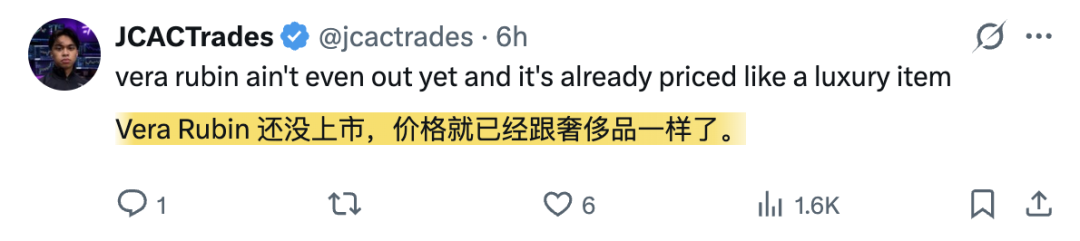 The Information报道称,部分GB300和Vera Rubin 200系统预计涨价约17%。按该报道使用的现价模型计算,一座1GW规模的AI数据中心,光是这一轮加价就可能多出至少50亿美元成本。叹气……注意,这已经不是今年第一次看到英伟达相关硬件价格往上走了。前面还有消费级RTX 50系列显卡,以及专业卡RTX PRO 6000 Blackwell。现在,AI服务器也加入了涨价队伍。全方位齐涨,英伟达你介是什么意思????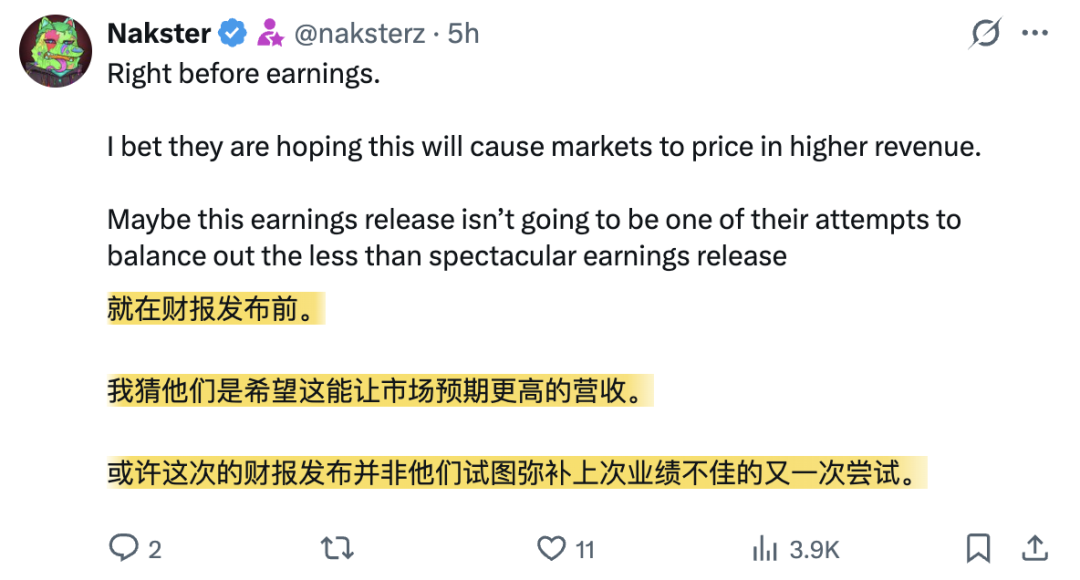


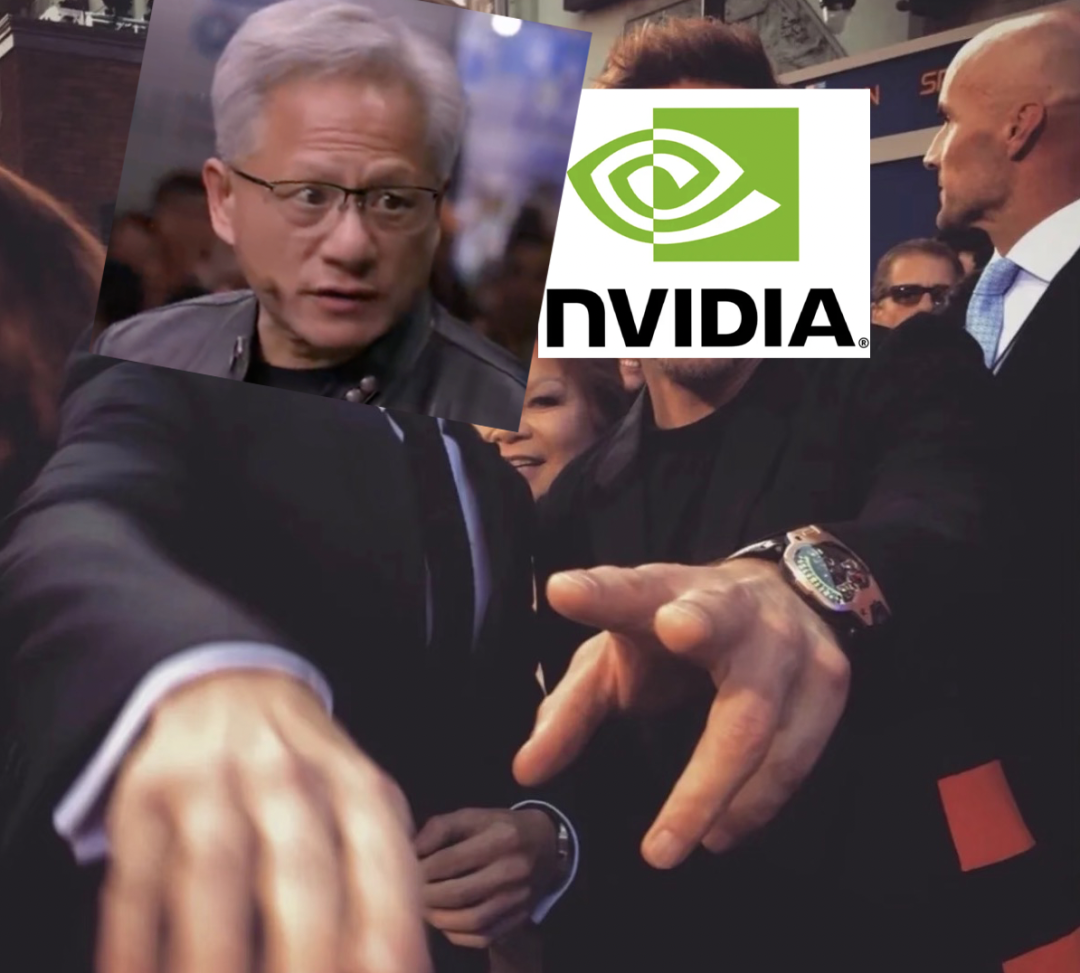 而且服务器价格最近已经处在频繁波动中。此前采访服务器销售商和GPU云厂商发现,组成英伟达AI服务器的部分零部件,价格甚至会在一周内波动40%。其中包括台积电晶圆、先进封装、网络设备、散热系统以及内存。一名GPU云厂商高管称,他们采购的服务器机架最近一度每周涨价2%至3%。另一名高管提到,GB300服务器中的NVMe存储此前是价格波动最明显的部分之一,目前部分机架已经比其所谓的正常基准价格高出10%至15%。其实哈,2026年以来,英伟达相关硬件已经出现三轮大幅涨价了。第一轮,发生在消费市场。今年夏天以来,多款RTX 50系列显卡市场价格明显上涨。RTX 5060 Ti 16GB中位价最高上涨约39%,RTX 5070上涨约36%,RTX 5060上涨约27%。RTX 5090也上涨约9%。
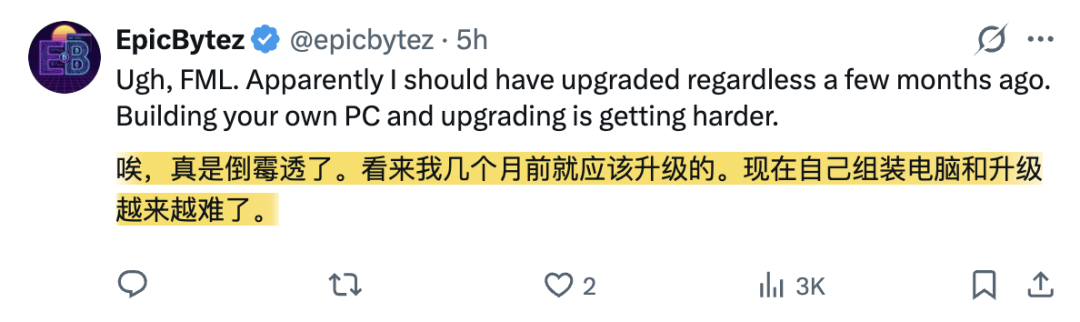 第二轮涨价的是专业GPU。拥有96GB显存的专业卡RTX PRO 6000 Blackwell也经历了明显价格变化。此前,英伟达官方商城报价已经从早期价格一路上调,绝对涨幅为2750美元。最发售至今,RTX PRO 6000价格轨迹触目惊心:2025年早期约8565美元 → 2026年6月13250美元 → 2026年8月16000美元。第三轮涨价的则是眼下的AI服务器。从游戏显卡,到专业GPU,再到数百万美元一柜的数据中心系统,价格压力沿着英伟达产品线一路向上。


 能怪谁?怪内存供应紧张呗。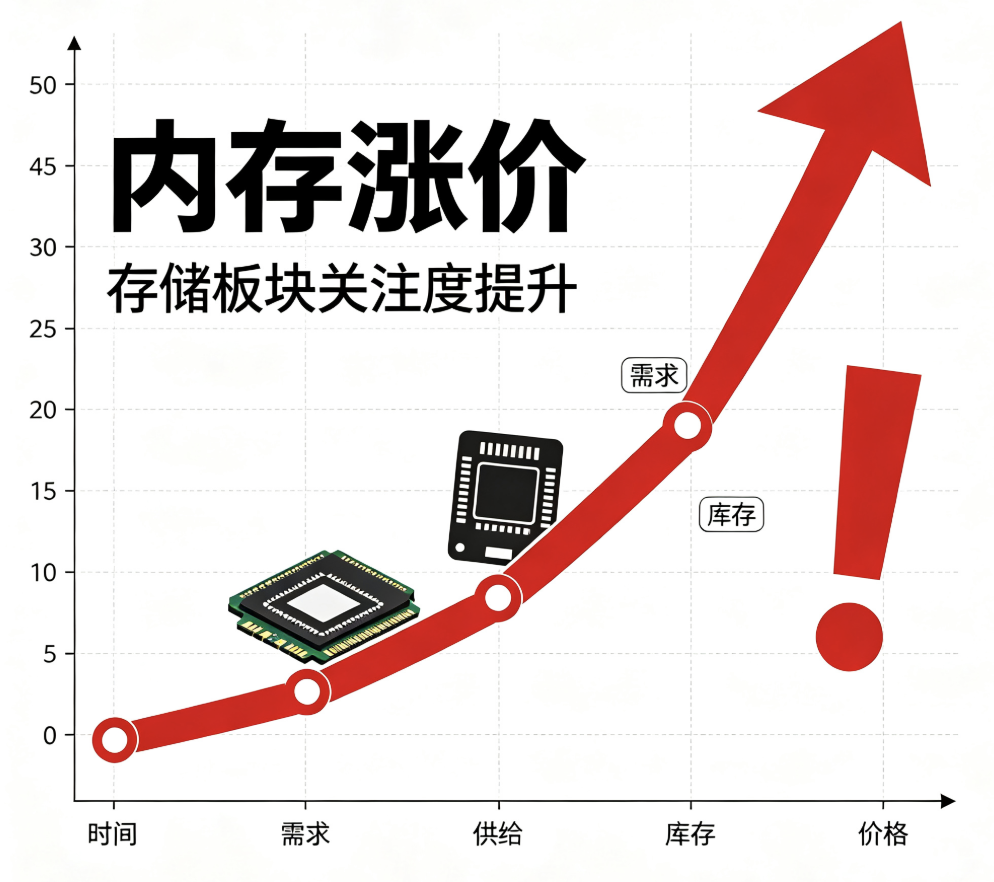

 公司2024年才成立,目前已经推进多个GW级项目。合作以后,Cloverleaf还将部署英伟达DSX平台,用它优化数据中心选址、电力、冷却以及计算基础设施规划。这也是英伟达最近频繁进入基础设施上游的原因之一。几天前,英伟达刚宣布投资15亿美元进入软银旗下数据中心开发商SB Energy。再往前,它还与Apollo、BlackRock、Blackstone、Brookfield、高盛、KKR等机构合作,希望长期撬动超过5000亿美元第三方资金,用于建设AI基础设施。英伟达现在操心的事情,已经从“芯片能不能造出来”,一路扩到了“客户有没有钱买”“数据中心有没有地方建”“电从哪里来”“GPU交付以后什么时候能够通电”。与此同时——据悉,Amazon、微软、Google和Meta都在加码自己的AI芯片,希望降低对英伟达的依赖。